
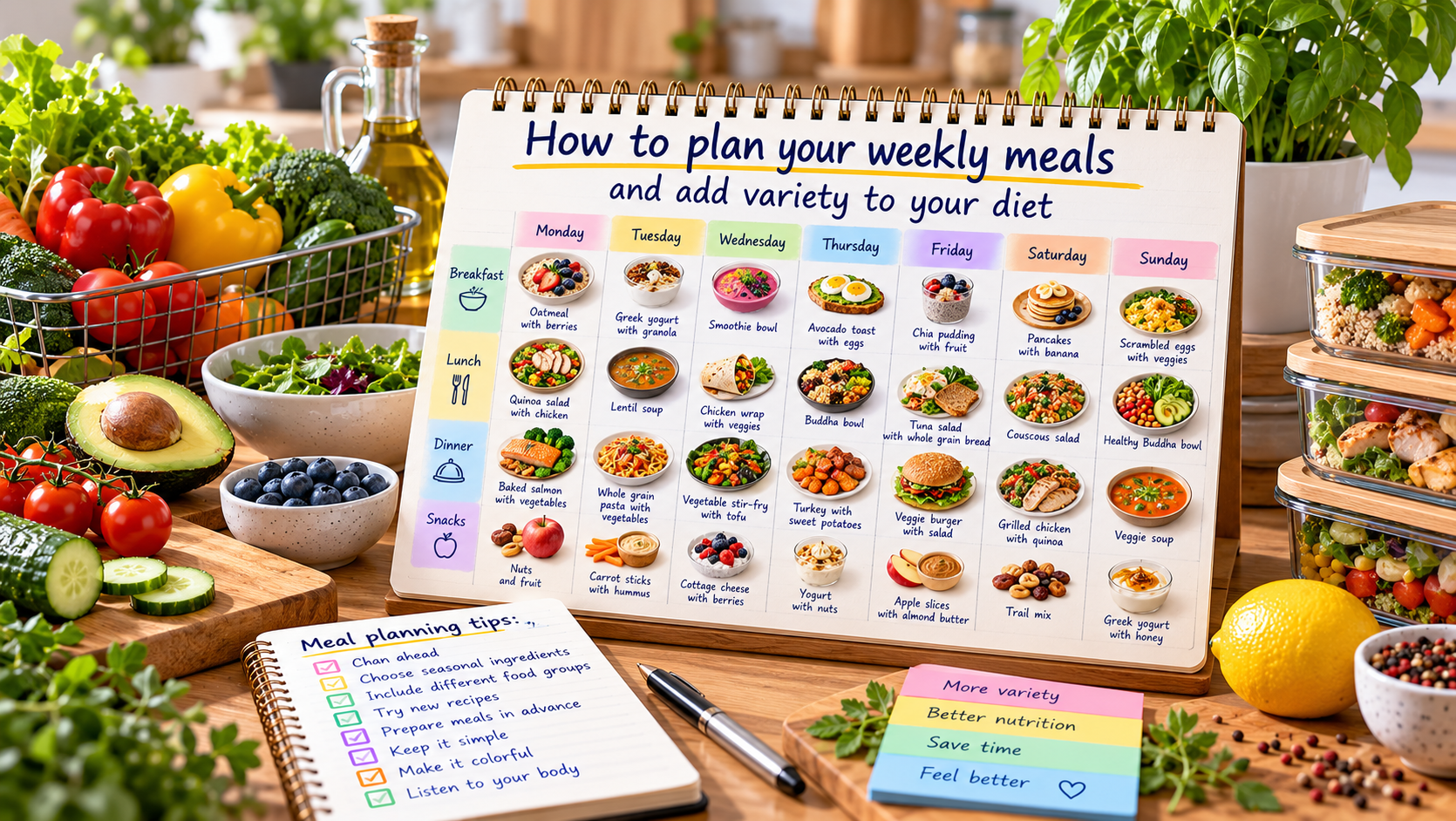
A useful weekly meal plan begins with the week you actually have, not an idealized schedule. Before choosing recipes, check your calendar for work hours, school activities, appointments, travel, and family commitments. Note which meals will be eaten away from home and which evenings leave enough time to cook. A busy day may call for leftovers or a simple assembled meal, while a quieter evening could be a good opportunity to try a new recipe.
Next, consider the needs of everyone who will share the meals. Dietary requirements, allergies, health goals, and cultural or religious practices can shape what foods are suitable. Think, too, about household preferences: familiar favorites may help meals go over well, while a few new ingredients can add variety. A plan should reflect these realities rather than rely on foods people are unlikely to enjoy.
Practical limits matter as much as nutrition. Set a food budget, take stock of ingredients already on hand, and consider what your kitchen equipment can handle. If you have little time for preparation, prioritize recipes with short cooking times, reusable components, or minimal cleanup. Preparing one ingredient in advance, such as cooked grains or chopped vegetables, may make several meals easier without requiring a full day of batch cooking.
It is not necessary to plan every bite or fill every day with a different recipe. Choose a manageable number of meals to organize, then leave space for leftovers, spontaneous plans, and at least one flexible option. That might be a simple pantry meal, a freezer dish, or a night when the household decides what sounds appealing. Planning fewer meals can also reduce food waste and make shopping more focused.
Review the plan against your calendar before making a shopping list. If it looks too ambitious, simplify it: repeat a reliable meal, swap in a convenient ingredient, or leave another evening open. The purpose of planning balanced meals is to make eating easier and support everyday needs, not to impose rigid rules. A realistic plan can provide structure while still allowing room to adapt as the week changes.
A balanced weekly menu can be built by combining a few complementary food groups rather than planning every recipe from scratch. For most meals, choose a protein source, vegetables or fruit, a grain or other carbohydrate, and, where appropriate, a source of healthy fat. A simple combination might be grilled chicken, brown rice, roasted vegetables, and a dressing made with olive oil. Beans, eggs, tofu, fish, yogurt, or nuts can provide alternatives, while potatoes, bread, oats, or whole grains can round out the plate. The mix can be adjusted to suit appetite, dietary needs, and the ingredients available.
Use a weekly grid or a short list to assign meals to days. Note breakfast, lunch, and dinner if that level of planning is useful, or focus only on the meals that are hardest to organize. Balance quick options with dishes that require more preparation: schedule a simple omelet or bean bowl on a busy evening, and reserve a longer recipe for a day with more time. Include one or two flexible meals, such as leftovers or a pantry-based soup, so the plan can adapt when schedules change. A written plan also makes it easier to create a focused shopping list.
Repeating ingredients across the week can save both time and money, especially when they are bought in useful quantities and prepared together. Roast a tray of vegetables, cook a pot of grains, or prepare a batch of beans, then store portions safely for later meals. Repetition need not mean eating the same dish several times. Serve roasted vegetables over grains with a protein one day, then tuck them into a wrap with greens and a flavorful sauce another day. They can also be folded into an omelet for breakfast or lunch. Changing seasonings, sauces, and pairings gives familiar ingredients a different character while keeping preparation manageable.
Variety does not require a different shopping list or elaborate recipe every day. A practical meal plan can feel fresh by changing a few elements across the week while keeping familiar ingredients and routines. Rotate protein sources such as beans, eggs, fish, poultry, tofu, and meat, and pair them with different grains, including rice, oats, pasta, barley, or whole-grain bread. Seasonal vegetables and fruit offer another simple way to introduce changing colors, textures, and flavors.
Varying the format of a meal can also make staple ingredients feel less repetitive. Roasted vegetables and cooked grains might become a warm bowl one evening, a filling for wraps the next day, or an addition to soup later in the week. Reusing a prepared ingredient is different from serving the same finished meal repeatedly: leftovers can be recombined with new accompaniments, seasonings, or cooking methods to create a distinct dish.
Small adjustments often provide enough contrast. Use a lemony dressing on one salad and a yogurt-based sauce on another; add toasted seeds, chopped nuts, or crisp vegetables for crunch; or season familiar beans with herbs and spices associated with a different cuisine. A change from roasting to stir-frying, grilling, or simmering can shift the texture and character of ingredients without requiring new techniques every night.
To keep planning manageable, try just one unfamiliar ingredient or recipe at a time. Choose something that fits the week’s budget and schedule, then adapt it to what is already available. A recipe calling for a particular vegetable may work with another seasonal option, while a new grain or spice can be tested in a small quantity alongside a familiar meal. Adjusting heat, ingredients, and preparation to suit household preferences makes exploration more comfortable and reduces the risk of waste.
Think of variety as a collection of flexible choices rather than a demand for constant novelty. Rotate cuisines, sauces, herbs, cooking methods, and meal formats gradually, while retaining convenient staples. This approach builds a broader range of flavors over time and keeps weekly planning realistic, affordable, and easy to repeat.
Once the weekly menu is set, turn it into a shopping list organized by store section, such as produce, proteins, dairy, grains, and pantry items. Grouping ingredients makes shopping quicker and helps reduce missed items. Before adding anything, check the refrigerator, freezer, and cupboards for foods already on hand. Adjust quantities to account for existing staples, and note ingredients that can serve more than one meal. A short review can prevent duplicate purchases and make the plan more economical.
Preparation does not need to take up an entire afternoon. Choose a few useful tasks based on the week ahead: wash and dry greens, chop sturdy vegetables, cook a batch of rice or another grain, mix a dressing, or portion ingredients for a planned dish. Even ten or fifteen minutes of preparation can make busy evenings easier. Avoid preparing more than you can store or use, and leave delicate produce or components that lose quality quickly until closer to mealtime.
Store prepared food safely in clean, covered containers, and refrigerate perishable ingredients promptly. Keep raw meat and seafood separate from ready-to-eat foods, and follow appropriate storage guidance for leftovers. Label containers with their contents or preparation date when useful. Arrange the refrigerator so foods with shorter shelf lives are easy to see and use. Plan to cook meals featuring delicate greens, fresh fish, or ripe produce earlier in the week, while reserving frozen, canned, or longer-lasting ingredients for later days.
Treat the menu as a guide rather than a rigid schedule. If plans change, swap meals according to available ingredients and how quickly they need to be used. Repurpose leftovers in practical ways, such as adding roasted vegetables to a grain bowl or using cooked chicken in soup. At the end of the week, take a few minutes to note which meals were enjoyable, manageable, affordable, and well matched to your schedule. Consider what went unused or spoiled, then use those observations to refine the next menu. Gradual adjustments make weekly planning more useful over time.
No responses yet