
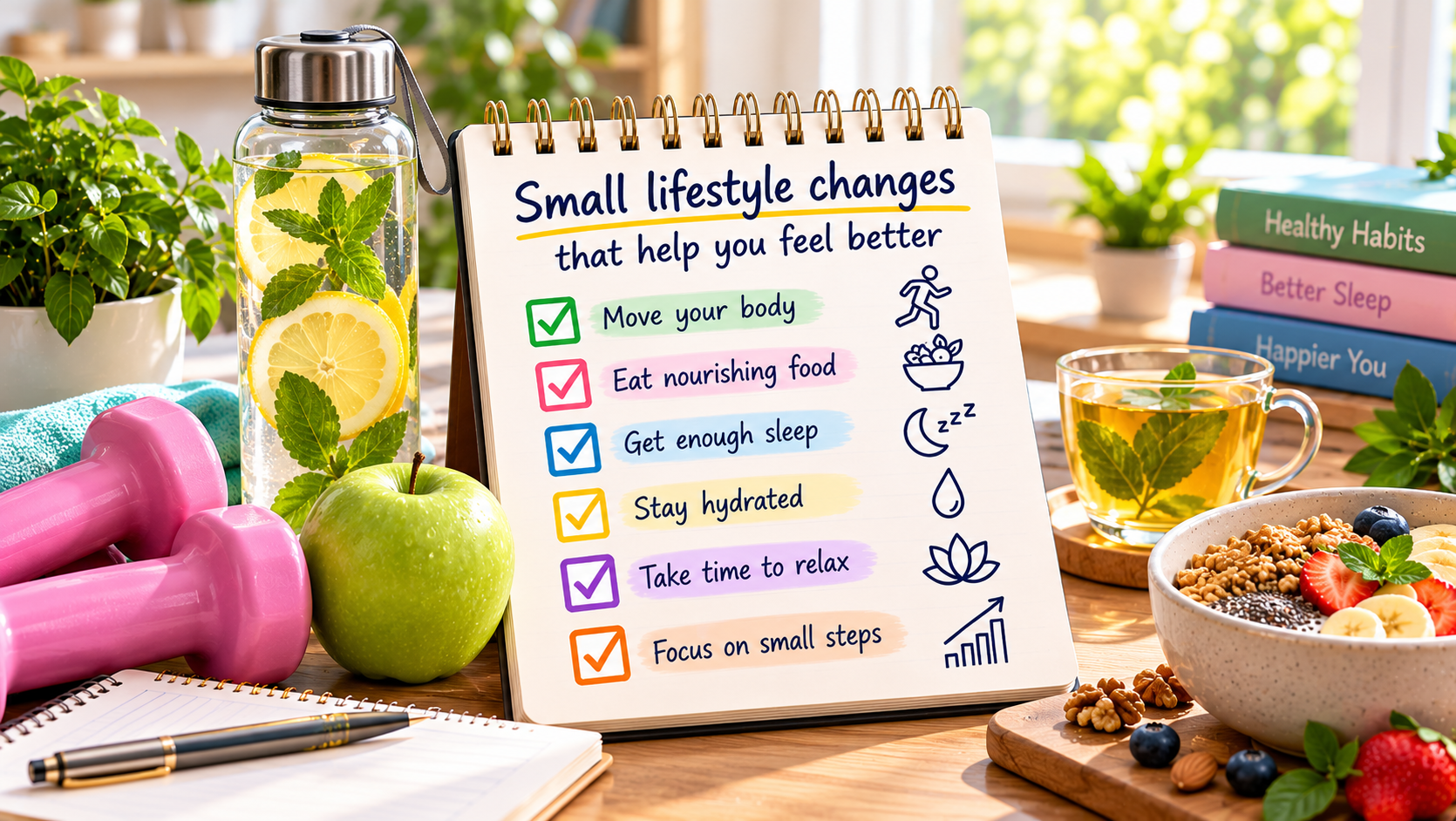
Feeling better does not always require a complete lifestyle transformation. Sometimes, small adjustments to everyday routines can make daily life more comfortable, balanced, and enjoyable. Drinking enough water, getting outside more often, eating regular meals, and creating a calmer evening routine are simple examples of habits that can support general well-being.
The challenge is not necessarily knowing what might help, but finding changes that are realistic enough to maintain. Complicated routines and ambitious goals can quickly become overwhelming, especially when work, family responsibilities, and other commitments compete for attention. A more practical approach is to start with one or two manageable habits and build from there.
Start Your Day With a Simple Routine
The way you begin the morning can influence how organized and prepared you feel throughout the day. A complicated morning routine is not essential. Even a few quiet minutes can help create a smoother transition from sleep to daily responsibilities.
Try opening the curtains, drinking a glass of water, and taking a moment to consider the most important tasks ahead. If you tend to rush in the morning, preparing a few things the night before can also reduce unnecessary stress. Setting out clothes, packing a bag, or deciding what to have for breakfast can make the first part of the day easier.
It can also help to avoid checking messages immediately after waking up. Starting the day with a stream of notifications may make you feel as though you are already behind before you have had time to settle into your own routine. Allowing yourself a short period without digital distractions can create a more deliberate start.
There is no single morning routine that works for everyone. Some people prefer a quiet breakfast, while others feel more comfortable with a short walk or a few minutes of stretching. The best option is one that fits naturally into your schedule rather than adding another source of pressure.
Drink Water Throughout the Day
Staying hydrated is a basic part of looking after yourself. When you are busy, it can be easy to go for long periods without drinking anything, particularly if you spend much of the day working at a desk or moving between tasks.
Keeping a reusable water bottle nearby can make drinking water more convenient. You might also associate it with existing habits, such as having a glass with breakfast, drinking during lunch, or taking a few sips when you return from a walk.
Your fluid needs depend on several factors, including your activity level, the weather, and your individual circumstances. Rather than treating a particular amount as a universal target, pay attention to your usual needs and follow any specific guidance you have received from a healthcare professional.
Water does not need to be consumed according to a complicated schedule. Making it readily available and remembering to drink regularly is a simple place to start.
Make Everyday Meals More Balanced
Healthy eating does not have to involve strict rules, expensive ingredients, or completely changing the way you cook. Small adjustments to familiar meals can make them more varied and satisfying.
For example, you could add fruit to breakfast, include vegetables with lunch, or prepare a simple meal at home instead of relying on convenience food every day. Beans, lentils, eggs, whole grains, vegetables, fruit, and other familiar ingredients can provide practical options for a range of meals and budgets.
Regular meals may also help make your day feel more predictable. When you know you have time set aside to eat, you are less likely to find yourself rushing through the day without a proper break.
Planning a few meals in advance can reduce the effort involved in deciding what to cook. You do not need to prepare an entire week’s food at once. Choosing two or three straightforward meals and keeping the necessary ingredients available may be enough to make everyday decisions easier.
It is also useful to approach food without unnecessary guilt. One meal does not define your overall eating habits, and a balanced approach can include foods you enjoy. The goal is to develop a routine that is practical, varied, and sustainable.
Add More Movement to Your Day
Physical activity does not have to begin with a demanding workout or a strict exercise program. Everyday movement can be a useful starting point, particularly if you spend long periods sitting.
A short walk during a break, taking the stairs when appropriate, or stretching after working at a desk can help introduce more activity into your routine. You could also walk while making a phone call or choose an active way to complete a nearby errand when circumstances allow.
The most useful habit is often the one you can repeat. If a long exercise session feels difficult to fit into your schedule, begin with a shorter period of movement and increase it gradually if you wish.
Choose activities that suit your interests and physical abilities. Some people enjoy walking outdoors, while others prefer cycling, dancing, swimming, gardening, or exercising at home. Enjoyment matters because an activity that feels rewarding is generally easier to maintain.
If you have been inactive for a long time or have specific physical limitations, start at a comfortable level and seek professional advice when necessary. There is no need to compare your routine with someone else’s progress.
Spend More Time Outside
Spending time outdoors can provide a welcome change from indoor routines. A short walk in a park, sitting in a garden, or taking a break outside during the day can offer an opportunity to step away from screens and daily demands.
You do not need to plan a special trip or spend hours in nature. Even a few minutes outside can break up a repetitive day and create a natural pause between activities.
If your schedule is busy, consider combining outdoor time with something you already do. You could walk part of the way to work, take your lunch break outdoors when practical, or make an evening walk part of your routine.
Weather, safety, accessibility, and personal circumstances all affect how easy it is to spend time outside. When outdoor activities are not practical, opening a window for fresh air or spending time near natural light may be reasonable alternatives.
The aim is not to add another obligation to your day, but to find simple opportunities to change your surroundings and enjoy a different pace.
Create a More Restful Evening Routine
Evenings can become crowded with unfinished tasks, entertainment, household responsibilities, and messages that continue to arrive throughout the night. Establishing a few consistent habits can make it easier to transition from a busy day toward rest.
Start by choosing a realistic time to begin winding down. This might involve preparing for the next morning, dimming bright lights, reading, listening to quiet music, or taking a warm shower. Repeating a familiar sequence can help create a clear distinction between active time and time for rest.
It may also help to reduce stimulating activities close to bedtime. If scrolling through social media tends to keep you awake longer than intended, try leaving your phone away from the bed or choosing another activity for the final part of the evening.
A consistent sleep schedule is often more practical than trying to compensate for an irregular week with one unusually long night. Most adults need around seven to nine hours of sleep, although individual needs vary. Children and teenagers generally require more.
If you regularly struggle with sleep or experience persistent daytime tiredness, consider discussing the problem with a healthcare professional rather than relying on routine changes alone.
Take Short Breaks From Screens
Digital devices are part of modern life, and avoiding them completely is rarely realistic. However, using screens continuously throughout the day can leave little room for other activities or uninterrupted attention.
Small boundaries can make screen use feel more intentional. For instance, you might avoid checking your phone during meals, keep notifications limited to those that matter, or take a short break from the computer between work sessions.
If you work at a desk, look away from the screen regularly and change your position when possible. Brief movement breaks can also provide an opportunity to refill your water bottle or step outside.
Evening screen habits deserve attention if they interfere with sleep or make it difficult to relax. Rather than setting an unrealistic goal to stop using devices altogether, choose one specific period when you would like to be less connected.
The purpose is not to label all screen time as harmful. It is to make sure digital activities leave enough space for sleep, movement, social connection, and other things that matter to you.
Make Room for Meaningful Social Connections
Everyday well-being is influenced by more than physical routines. Spending time with people you care about, sharing experiences, and having someone to talk to can also contribute to a sense of connection.
Maintaining relationships does not always require elaborate plans. Sending a thoughtful message, arranging a short phone call, sharing a meal, or taking a walk with a friend can help keep connections active.
If your schedule is demanding, try creating a small recurring habit. You might call a family member on a particular evening or arrange a regular catch-up with a friend. Predictable opportunities for contact can make it easier to stay connected when life becomes busy.
It is also important to recognize that people have different social needs. Some enjoy frequent gatherings, while others prefer smaller interactions and more time alone. A balanced routine leaves room for both connection and personal space.
When you feel overwhelmed, talking with someone you trust may help you put concerns into perspective. If difficulties persist or begin to interfere with everyday life, professional support can be an important additional resource.
Reduce Daily Stress With Small Organizational Habits
Stress can build when many small responsibilities remain unresolved. A few simple organizational habits can help make daily demands feel more manageable.
One useful approach is to write down tasks instead of trying to remember everything. A short list of priorities can clarify what needs attention now and what can wait. Keeping the list realistic is important; including every possible task can make it feel overwhelming rather than helpful.
You could also spend five minutes at the end of the day preparing for tomorrow. Check your calendar, gather anything you need, and identify the first task you want to complete. This small habit can reduce the number of decisions you face the following morning.
When a task seems too large, divide it into a first step that can be completed in a short period. Instead of planning to reorganize an entire room, begin with one shelf. Rather than trying to complete a major project in one sitting, decide what you can reasonably accomplish today.
Not every source of stress can be solved through better organization. Some difficulties require practical support, changes in circumstances, or help from other people. However, simplifying the parts of daily life you can influence may free up attention for more demanding challenges.
Choose Habits You Can Maintain
One reason lifestyle changes fail is that people attempt to change too many things at once. A new exercise routine, strict meal plan, early bedtime, and elaborate morning schedule may seem appealing initially, but maintaining all of them can become difficult when everyday responsibilities increase.
A more sustainable approach is to choose one small change and practice it consistently. For example, you could take a short walk after lunch for a week or spend a few minutes preparing for the next morning each evening.
Once the habit feels familiar, consider adding another. If the first change does not fit your routine, modify it rather than assuming you have failed. A shorter walk, a simpler meal plan, or a different time of day may work better.
It can also help to connect a new habit with something you already do. Drink water after preparing breakfast, stretch after finishing a work session, or review tomorrow’s schedule after dinner. Linking habits to established routines makes them easier to remember.
Progress will not always be perfectly consistent. Busy periods, illness, travel, and unexpected responsibilities can interrupt even well-established habits. The important thing is to return to a manageable routine when circumstances allow.
A Simple Plan for Getting Started
If you want to make everyday life feel more balanced, begin with a few realistic actions rather than trying to change everything immediately.
During the first week, choose one habit that addresses your biggest everyday challenge. If you often feel rushed, prepare for the next morning in the evening. If you spend most of the day sitting, add a short walk. If you frequently forget to drink water, keep a bottle where you work.
During the second week, review how the change fits into your routine. Notice whether it is convenient, whether it creates unnecessary pressure, and whether you want to continue. You can then introduce another small habit if you feel ready.
At the end of each week, ask yourself three questions: What worked well? What was difficult? What small adjustment would make the next week easier?
This process keeps the focus on practical improvements rather than perfection. It also allows your routine to evolve as your schedule, interests, and responsibilities change.
Frequently Asked Questions
What is the easiest lifestyle change to start with?
Choose something that requires little preparation and fits naturally into your day. Drinking water regularly, taking a short walk, preparing for the next morning, or establishing a consistent bedtime routine can all be reasonable starting points. The best choice depends on your current habits and what you would most like to improve.
How long does it take to develop a new habit?
There is no fixed timeline that applies to everyone. Some habits become familiar relatively quickly, while others require repeated practice over a longer period. Consistency, convenience, and the complexity of the behavior can all influence how easily a routine becomes established.
Do small lifestyle changes really make a difference?
Small changes can support everyday well-being when they address needs such as movement, rest, hydration, organization, or social connection. Their effects vary from person to person, and they are not a substitute for appropriate medical care when health concerns arise.
What should I do if I cannot maintain a new routine?
Make the habit smaller or connect it to an activity you already perform regularly. Review what made it difficult and adjust the timing or expectations. Missing a day does not mean you need to abandon the habit; simply return to it when you can.
How many lifestyle changes should I make at once?
Starting with one or two changes is often more manageable than attempting a complete transformation. Once those habits become easier to maintain, you can decide whether to introduce another. A gradual approach allows you to learn what works for your circumstances.
Small Changes Can Support a More Balanced Life
Feeling better does not require a perfect routine or a complete overhaul of your lifestyle. Everyday actions such as eating varied meals, moving regularly, spending time outside, maintaining social connections, and protecting time for rest can help create a more balanced day.
The most important step is to begin with changes that feel realistic. Choose a habit that addresses a genuine need, make it easy to repeat, and give yourself time to adjust. If it does not work as expected, adapt it rather than adding more pressure.
Over time, these small decisions can become a natural part of daily life. Instead of chasing an ideal routine, you can build a flexible set of habits that supports your energy, comfort, and general well-being while leaving room for the activities and people that matter most.
No responses yet